
Your Guide to a Warm and Comfortable Home in Short Pump
Residential heating installation in Short Pump, VA is essential for homeowners facing an aging furnace, rising energy bills, or inconsistent temperatures. When winter hits central Virginia, a reliable heating system isn’t just a luxury—it’s a necessity. Whether your current heater is struggling to keep up, breaking down frequently, or simply reaching the end of its lifespan, upgrading to a new system can restore comfort, improve efficiency, and provide peace of mind during the coldest months.
Quick Answer: What You Need to Know
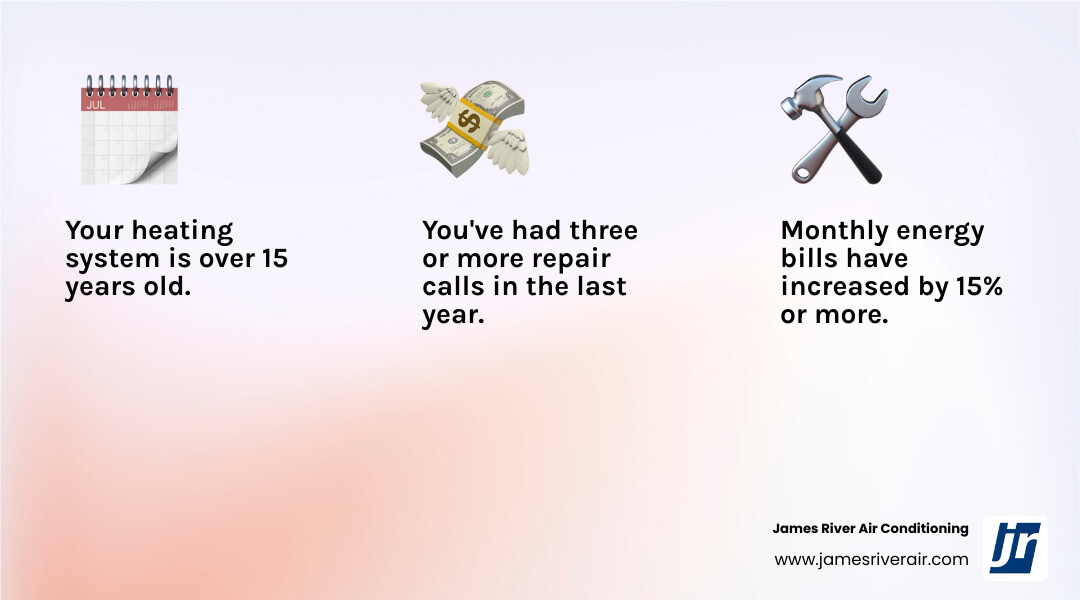
- Signs you need installation: An aging system (15+ years), climbing energy bills, frequent repairs, or uneven heating
- System options: Gas furnaces, heat pumps, boilers, and ductless mini-splits
- Key benefits: Lower energy use, consistent comfort, improved air quality, and increased home value
- Installation timeline: Most systems are installed in a single day
- What to look for: NATE-certified technicians, proper load calculations, and licensed, insured contractors
Ready to explore your heating options? Learn about our complete range of residential installation services or schedule your free estimate today.
Short Pump has grown significantly from its historic beginnings. Today’s modern homes demand efficient, reliable heating systems to handle Virginia’s cold winters. With a mix of housing styles built over several decades, each property has unique heating needs based on its age, size, and construction. The right heating system keeps your family comfortable while managing energy use effectively.
Explore more about residential heating installation in short pump, va:
- Show me top-rated companies for heating installation in Glen Allen, VA.
- affordable heating installation in glen allen, va
- heating installation in laurel, va
Virginia’s climate, with its chilly winters and humid summers, makes a dependable and efficient HVAC system crucial. For Short Pump residents, this means choosing a system that provides reliable warmth for comfort and safety, while also preparing for summer cooling needs. An efficient heating system is key to creating a consistent and healthy indoor environment year-round.
Is It Time to Replace Your Heating System?
As homeowners in Short Pump, VA, we all want our heating systems to run flawlessly, especially when the cold Virginia winter sets in. However, like all mechanical equipment, heating systems have a lifespan and eventually need to be replaced. Recognizing the signs that your heater is on its last legs can save you from unexpected breakdowns and costly emergency repairs.
The typical lifespan of a furnace is around 15-20 years. For heat pumps, which work year-round for both heating and cooling, the average lifespan is usually between 10-15 years. If your system is approaching or has exceeded these age markers, it’s wise to start considering a replacement. An older system, even if still functional, may not be operating at its peak efficiency.
One of the most telling signs that your heating system needs attention is a noticeable increase in your energy bills. An aging furnace can lose efficiency over time, meaning it has to work harder and longer to achieve the same level of comfort, consuming more fuel and driving up your monthly expenses. If you find yourself puzzled by high heating bills, it could be a clear indicator that your system is losing its efficiency. For more tips on managing your energy use, check out our High Energy Bill Tips.
Frequent repairs are another red flag. If you’re calling for service multiple times a season, it’s a sign that the system’s reliability is compromised. At a certain point, investing in a new, dependable unit becomes a more practical long-term solution than continuing with frequent fixes.
Beyond the financial implications, an outdated heating system can significantly impact your daily comfort. Uneven heating, where some rooms are too hot and others remain chilly, is a common complaint. This inconsistency means your system isn’t distributing air properly, leading to discomfort. Strange noises, such as banging, whistling, or grinding sounds coming from your furnace, can also indicate mechanical problems that are nearing a critical failure.
Finally, poor indoor air quality can be a subtle but serious sign. A malfunctioning HVAC system can lead to the growth of bacteria and mold within its components and ductwork, posing health risks to your family. If you notice an increase in dust, allergens, or musty odors, your heating system might be contributing to the problem.
Key Indicators You Need a New Heater
Let’s dig deeper into the specific indicators that signal it’s time for a new heating system installation:
- System Age: A furnace typically lasts 15-20 years, while a heat pump’s lifespan is 10-15 years. Beyond these ranges, components wear out, efficiency plummets, and breakdowns become more frequent.
- Increased Utility Costs: A significant rise in heating bills without a change in usage or utility rates is a strong sign of declining efficiency. Your old system is simply working harder and consuming more energy to produce less heat.
- Inconsistent Temperatures: Do you have cold spots in one room and hot spots in another? This “uneven heating” indicates poor heat distribution, often due to an overworked or failing system.
- Frequent Repairs: If you’re calling for repairs every winter, it’s time to consider if replacement is a better long-term solution than continued repairs.
- Strange Noises or Odors: Banging, rattling, squealing, or persistent burning smells are all signs that something is seriously wrong with your heating unit and it may be unsafe to operate.
- Poor Indoor Air Quality: An old system can circulate dust, allergens, and even mold spores. If your family experiences increased allergies or respiratory issues during heating season, your system could be a culprit.
The Risks of an Outdated Heating System
Ignoring these signs and holding onto an outdated heating system carries several risks:
- Reduced Efficiency: As systems age, their efficiency naturally declines. This means you’re using more energy for less heat, leading to wasted resources and higher utility bills.
- Potential Safety Hazards: Older furnaces, especially those that are poorly maintained, can develop cracks in the heat exchanger, leading to dangerous carbon monoxide leaks. Electrical issues can also arise, posing fire risks.
- Decreased Home Comfort: An inefficient system struggles to maintain consistent temperatures, leaving your family chilly and uncomfortable.
- Unreliable Performance During Cold Snaps: The last thing you want is your heater to break down on the coldest day of the year. Older systems are more prone to failure during periods of high demand, leaving you in the cold when you need warmth the most.
- Environmental Impact: Less efficient systems consume more energy, contributing to a larger carbon footprint. Upgrading to an ENERGY STAR® rated system can significantly reduce your environmental impact.
Choosing the Right Heating System for Your Short Pump Home
Selecting the ideal heating system for your Short Pump home involves balancing energy efficiency, comfort preferences, and fuel availability. With a variety of options on the market, it’s important to understand what each system offers.
| System Type | Primary Fuel Source | Efficiency Rating | Best Use Case |
|---|---|---|---|
| Gas Furnaces | Natural Gas, Propane | AFUE (up to 98%) | Consistent, powerful heat for colder climates |
| Heat Pumps | Electricity | HSPF (heating) | Efficient heating & cooling for moderate climates |
| Boilers | Natural Gas, Propane, Oil | AFUE (up to 95%) | Radiant heat, consistent warmth, good for allergies |
| Ductless Mini-Splits | Electricity | SEER/HSPF | Zone control, additions, homes without ductwork |
Common Heating Systems in Virginia
In Virginia, homeowners typically choose from several common heating system types, each with its own advantages:
- Gas Furnaces: A popular choice in Short Pump, gas furnaces provide powerful, consistent heat, making them ideal for cold winter days. Modern units are highly efficient, with high AFUE (Annual Fuel Utilization Efficiency) ratings. We offer expert Gas Furnaces installation and service.
- Electric Heat Pumps: Heat pumps are incredibly versatile, offering both heating and cooling from a single unit. They work by transferring heat rather than generating it, making them highly energy-efficient in our moderate climate. In winter, they move heat from the outside air indoors, and in summer, they reverse the process. Learn more about our Heat Pumps services.
- Boilers: While less common in new construction, boilers are a fantastic option for homes that prefer radiant heat. They heat water to provide warmth through radiators or in-floor systems, delivering a gentle, even heat that is excellent for those with allergies. We also specialize in Boilers.
- Ductless Mini-Splits: These systems are an excellent solution for homes without existing ductwork, such as additions or renovated spaces. Ductless mini-splits provide targeted heating and cooling to specific zones, allowing for greater control and energy savings.
- Hybrid Systems: A hybrid system combines a heat pump with a gas furnace. This setup offers the best of both worlds: the heat pump handles most of the heating for maximum efficiency, and the furnace kicks in automatically during extreme cold, ensuring consistent warmth.
Given Short Pump’s climate, a robust and efficient heating system is paramount. Heat pumps are a popular choice for their dual functionality, but gas furnaces remain a strong contender for their powerful heat.
Factors to Consider for Your Residential Heating Installation in Short Pump, VA
When considering a residential heating installation in Short Pump, VA, several factors should guide your decision:
- Energy Efficiency Ratings: Pay close attention to AFUE (Annual Fuel Utilization Efficiency) for furnaces and HSPF (Heating Seasonal Performance Factor) for heat pumps. Higher ratings mean greater efficiency and lower energy use.
- Home Layout and Square Footage: The size and layout of your home are crucial for proper system sizing. An HVAC professional will perform a load calculation to determine the exact heating capacity your home requires. An improperly sized system will operate inefficiently.
- Existing Ductwork: If your home has ductwork, a forced-air system like a furnace or central heat pump may be the most straightforward option. If not, ductless mini-splits could be an ideal solution. New HVAC ductwork systems offer optimal functionality and efficiency.
- Long-Term Energy Use: Consider the system’s overall energy consumption. A highly efficient unit uses less fuel, which can lead to lower monthly utility bills and a reduced environmental footprint over the life of the unit.
- Homeowner Comfort Preferences: Do you prefer the quick, intense heat of a furnace or the gentle warmth of a boiler? Do you want a single system for both heating and cooling? Your personal comfort preferences play a significant role.
- Fuel Source Availability: Access to natural gas is common in many parts of Short Pump. If natural gas isn’t available, propane, oil, or electricity will be your primary fuel choices.
Our team is dedicated to helping you steer these choices, providing expert advice to ensure your residential heating installation in Short Pump, VA is a perfect fit.
The Benefits of a Professional Residential Heating Installation in Short Pump, VA
Investing in a new, professionally installed heating system for your Short Pump home offers a wealth of benefits that extend far beyond simply staying warm. It’s a comprehensive upgrade to your home’s comfort, efficiency, and overall value.
- Improved Home Comfort: A new system provides consistent and evenly distributed heat throughout your home, eliminating cold spots and ensuring every room is cozy. Modern systems offer precise temperature control.
- Improved Energy Efficiency: New heating systems are significantly more energy-efficient than older models. This means they convert more of their fuel into usable heat, reducing energy waste. Upgrading your furnace system can increase heating efficiency.
- Lower Utility Bills: Improved efficiency translates to lower monthly energy consumption and reduced heating bills, especially during peak winter months. ENERGY STAR® rated systems are designed for lower energy use.
- Better Indoor Air Quality: New systems often come with advanced filtration options that can significantly improve your home’s indoor air quality by filtering out dust, allergens, and pollutants.
- Increased Home Value: A new, high-efficiency heating system is an attractive feature for potential homebuyers, signaling a well-maintained home with lower expected utility costs.
- System Reliability: Say goodbye to unexpected breakdowns and frequent repair calls. A new system comes with a fresh warranty and the assurance of reliable performance, providing peace of mind. For continued reliability, don’t forget the Benefits of Regular HVAC Maintenance.
How a New System Boosts Comfort and Savings
A new heating system is engineered for optimal performance, leading to tangible improvements in both comfort and your wallet:
- Consistent Temperature Control: Modern heating systems, especially those with variable speed motors, maintain a much more consistent temperature, eliminating uncomfortable temperature swings.
- Quieter Operation: New models are designed with advanced components and insulation to operate much more quietly, contributing to a more peaceful home environment.
- Reduced Energy Consumption: With higher AFUE or HSPF ratings, new systems use less fuel to produce the same amount of heat, which can significantly lower your energy bills.
- Smart Thermostat Compatibility: Many new heating systems are designed to seamlessly integrate with smart thermostats, which allow you to program schedules and control your heating remotely to optimize energy use.
Health and Safety Advantages
Beyond comfort and savings, a professional residential heating installation in Short Pump, VA also brings significant health and safety benefits:
- Proper Ventilation: A well-designed and installed heating system ensures proper airflow and ventilation, helping to maintain healthy indoor air circulation.
- Reduced Risk of Carbon Monoxide Leaks: Older furnaces are more susceptible to cracks in the heat exchanger. A new system eliminates this risk, protecting your family from this odorless, colorless gas.
- Elimination of Mold and Bacteria Growth: Malfunctioning HVAC systems can become breeding grounds for mold and bacteria. A new, clean system with proper filtration significantly reduces this risk, contributing to better indoor air quality.
- Improved Safety Features: Modern heating systems include advanced safety features, such as automatic shut-offs and diagnostic capabilities, providing an extra layer of protection for your home.
Don’t forget to check out our Specials for potential savings on new installations and services!
What to Expect During Your Heating Installation
Starting on a residential heating installation in Short Pump, VA might seem like a big undertaking, but with a professional team, the process is streamlined and stress-free. We pride ourselves on transparent communication and efficient service, ensuring you know exactly what to expect.
The journey begins when you schedule an in-home consultation. One of our comfort engineers will visit your Short Pump home to assess your current system, evaluate your home’s layout, and discuss your heating needs. This allows us to perform a meticulous load calculation, ensuring the new system is perfectly sized. We’ll present you with system options, discuss their efficiency ratings, and answer any questions you may have.
Once you’ve selected a system, we’ll schedule your installation day. We understand the importance of a swift transition, especially during colder months, and aim for prompt installation. Heat pump replacements are typically completed within a single day, often in just a matter of hours. This means you can wake up with an old system and go to sleep with a brand-new, highly efficient one.
On installation day, our professional technicians will arrive promptly and take great care to protect your home, using shoe covers and drop cloths to keep your property clean. After installation, our team will conduct thorough testing to ensure everything is operating perfectly. We’ll then walk you through your new system, explain its features, and demonstrate how to use your thermostat. Our goal is to leave you with a perfectly functioning system and complete peace of mind. For a seamless start, you can Book Free Estimate with us today.
The Steps for a Smooth Residential Heating Installation in Short Pump, VA
Here’s a closer look at the typical steps involved in your heating system installation:
- Home Preparation: We protect your home by laying down drop cloths in work areas and wearing protective shoe covers.
- Removal of Old Unit: Our team carefully disconnects and removes your old heating system, handling its proper and safe disposal.
- Ductwork Inspection and Modification: For forced-air systems, we inspect existing ductwork for any issues and perform necessary modifications to ensure optimal airflow for your new system.
- New System Placement: The new furnace, heat pump, or boiler is carefully positioned and secured in its designated location.
- Electrical and Fuel Line Connections: Our certified technicians safely connect all electrical and fuel lines according to strict safety codes and manufacturer specifications.
- System Calibration and Testing: The system is carefully calibrated for peak efficiency. We test all components, check airflow, and verify that the thermostat is communicating correctly.
- Final Walkthrough and Education: We conduct a final walkthrough with you, explaining your new system’s features, demonstrating the thermostat, and providing maintenance tips.
Finding a Qualified HVAC Contractor
Choosing the right HVAC contractor for your residential heating installation in Short Pump, VA is paramount. Here’s what you should look for:
- Licensed and Insured: Always ensure the contractor is fully licensed to perform HVAC work in Virginia and carries comprehensive insurance to protect you and the technicians.
- NATE-Certified Technicians: NATE (North American Technician Excellence) certification is a gold standard in the HVAC industry, signifying a technician’s proven expertise.
- Positive Local Reviews and Reputation: Look for companies with a strong track record of customer satisfaction in the Short Pump area. A long history of service, like our 57+ years in business, is a good indicator of reliability. You can read our Reviews to see what our customers say.
- Years of Experience: A company that has served the community for decades understands the local climate and common heating challenges specific to Short Pump, VA.
- Comprehensive Service Offerings: A good contractor offers a full range of services, including maintenance and repairs, to support your system throughout its lifespan.
- Transparent Communication and Guarantees: Look for a company that offers clear communication, upfront explanations, and strong guarantees on their work.
Choosing an expert means you’re not just getting a new heating system; you’re gaining a trusted partner dedicated to your home’s comfort and safety.
Conclusion
Upgrading your heating system is a key investment in your home’s comfort, safety, and efficiency. By recognizing the signs of a failing unit, understanding your options, and choosing a qualified professional, you can ensure your Short Pump home stays warm all winter long. For expert guidance and world-class service, trust the team at James River Air Conditioning to handle your heating needs. Learn more about our heating installation services.
